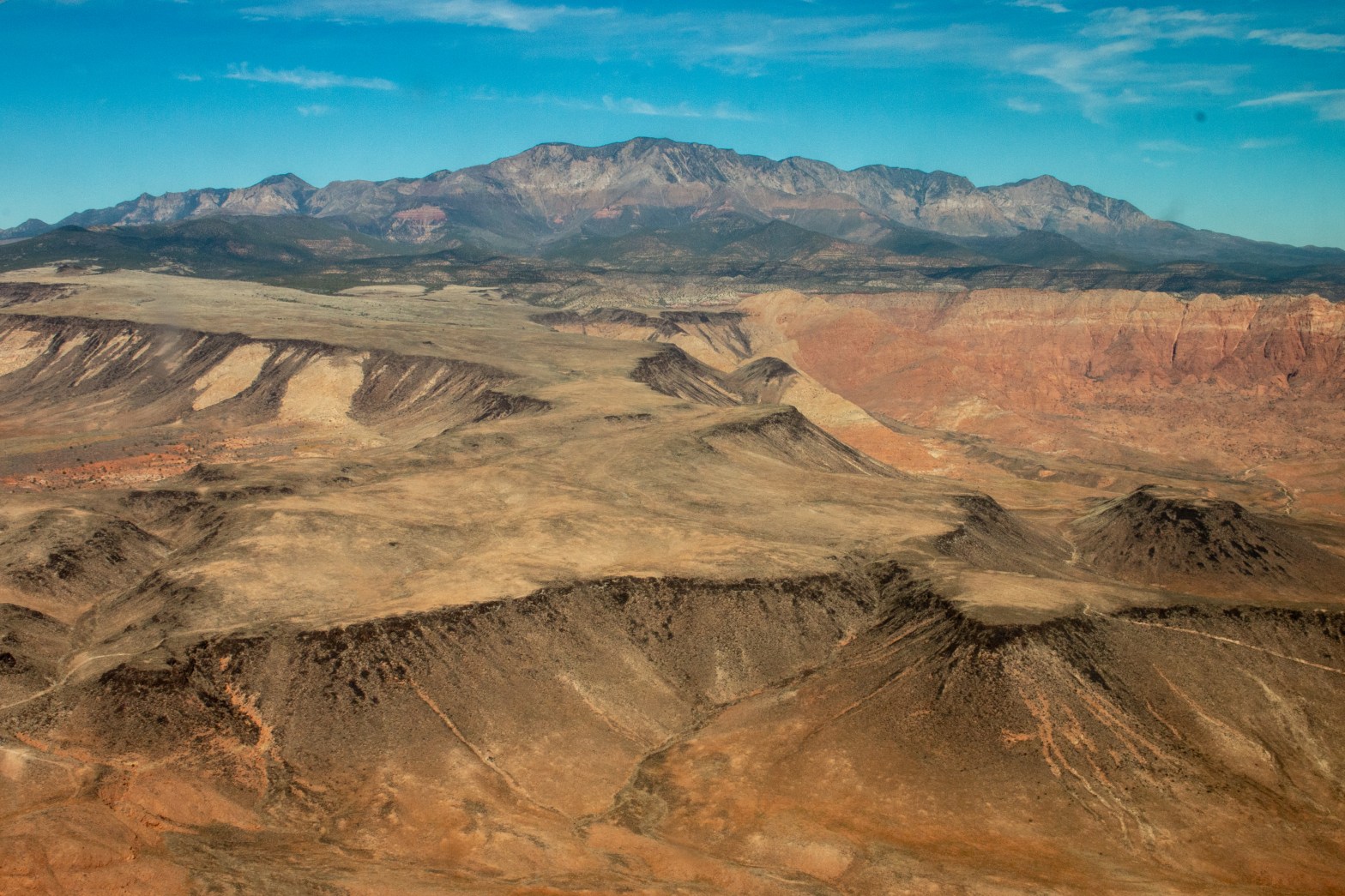
Northern Corridor and Public Lands in Southern Utah
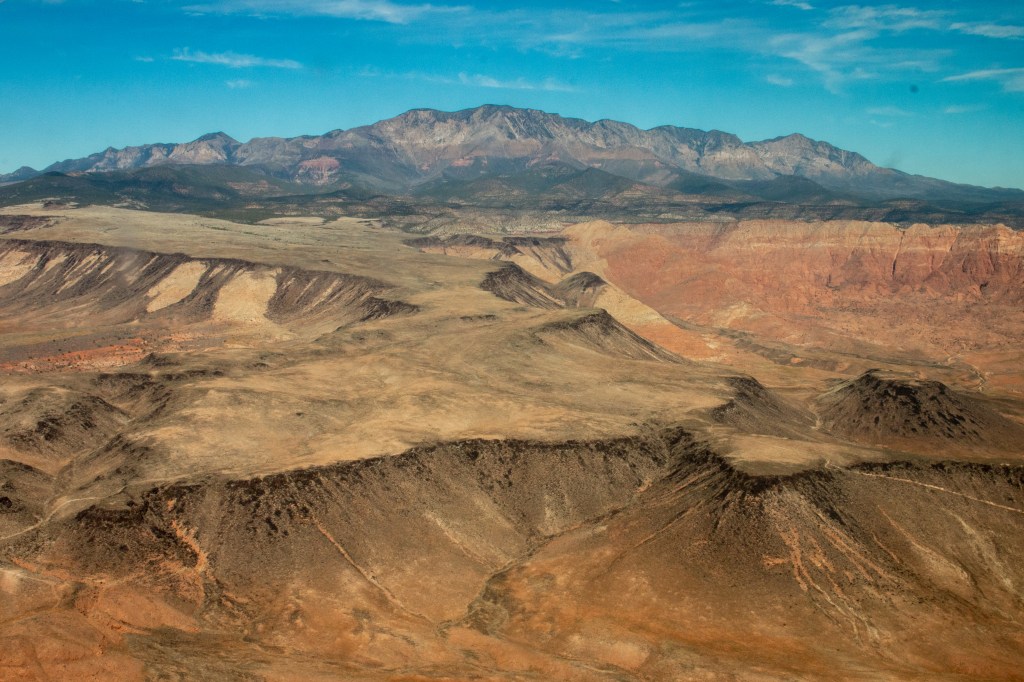
The Northern Corridor is Southern Utah’s version of the greater national conversation happening around public lands and their protections. The Public Lands Rule was created to advance the Bureau of Land Management’s (BLM) stewardship mission by putting conservation on equal footing with recreation, resource extraction, and other uses, to ensure the long-term health of these lands is not sacrificed for short-term exploitation. That balance does mean that recreation and extraction do have places on public lands, but as the BLM itself states: ““multiple use” does not mean every use on every acre”.
The Northern Corridor is a proposed road, promoted by Washington County Utah officials, that would cut through Zone 3 of the Red Cliffs National Conservation Area. National Conservation Areas (NCAs) public lands designated by Congress to protect unique scientific, cultural, and recreational resources for current and future generations – they are typically protected explicitly for conservation purposes. The Red Cliffs NCA is 45 miles from Zion National Park, and includes 130 miles of trails, two wilderness areas, heritage public use sites, Native American cultural artifacts, several threatened/endangered species, and one of Utah’s most popular state parks, Snow Canyon State Park. It’s primary purpose is to protect the habitat of the Mojave Desert Tortoise, an endangered species that is also a critical keystone species with a higher influence on its ecosystem than other species.
The Northern Corridor would set a dangerous precedent for paving through conservation land with development that explicitly goes against NCA’s directive. This precedent would affect not only the Red Cliffs NCA, but public lands nationwide. It would fragment the reserve and the tortoise’s habit. It would increase risk of noxious weeds that threaten native flora, many of which are also endangered, as well as wildfire risk. The Northern Corridor is the canary in the coal mine for greater efforts to overturn the Public Lands Rule at large.
After decades of residents voting NO on the corridor, the county acquired land from SITLA (State Trust Lands) referred to as Zone 6, in exchange for the development of the corridor. Providing the corridor was approved, Zone 6 would become part of the reserve through an ongoing agreement with SITLA.
Within Zone 6 are valuable recreation lands, including Moe’s Valley, Bearclaw Poppy, Zen Trail, and Zen Wall. Washington County officials have leveraged the popularity of these areas, particularly with the climbing and biking community, to push the narrative that trading 154 acres of Zone 3 to build the Northern Corridor in exchange for 6,800 acres of Zone 6 was a favorable trade for residents and the reserve.
Despite this push, The BLM assessed the proposal for the Northern Corridor and determined that it was illegal and inefficient. The Northern Corridor would break at least 5 environmental laws and would be less efficient than several proposed alternatives outside of the reserve.
Unfortunately, with the national administration change in 2025, the Bureau of Land Management (BLM) announced this month that it is reassessing a right-of-way application from the Utah Department of Transportation (UDOT). This means the highway is back on the table.
The messaging around Zone 6 being a favorable trade for Zone 3 of the reserve continues to fail to account for a significant amount of context and nuance:
- More than half of Zone 6 is BLM land, not SITLA, and is therefore already protected from development.
- While the Northern Corridor would directly pave “only” 154 acres of the reserve, developing Zone 3 of the NCA would have significant impact outside of that acreage.
- The Public Lands Act of 2009 was created to preserve conservation lands for their intended purpose – conservation – and includes a directive to find alternative routes for roads and development outside of the protected area, and that no action should be taken within the reserve that does not contribute to its purpose. To allow the Northern Corridor within the Red Cliffs National Conservation Area would set a dangerous precedent, not only within Washington County Utah, but for conservation lands nationwide. This is especially urgent in a time when the Trump administration has put public lands under attack through efforts to reduce public land caretakers, open public lands to drilling and mining, moving to repeal the roadless rule, and most recently moving to repeal the public lands rule.
- The Northern Corridor would fragment the reserve. While Zone 6 also has a significant tortoise population, it’s already a fragmented area of land and it’s adjacent to the future proposed Western Corridor which will introduce further fragmentation. While 6,800 seems significantly greater than 154 acres: it is an inadequate size for long-term survivable tortoise habit and does not compare to the larger habit area currently provided by the reserve as it exists now (over 45,000 acres) without the corridor.
- The Northern Corridor would also increase risk of wildfire and noxious weeds, and have significant impact on plants, wildlife, and natural resources well outside the developed area. Wildfire is already a significant risk within the reserve and Washington County Utah as a whole. Over the last year, insurance companies have been rapidly dropping homeowners’ coverage in the area due to wildfire risk assessments.
- Zone 3 also includes significant recreational value, as well as indigenous cultural artifacts and resources, and other historical and geological resources. These resources and values account for why Zone 3 was included in the reserve from its inception, while Zone 6 was not.
- Zone 6’s recreation and resources deserve their own protections: but not as a bargaining chip for the Northern Corridor.
Additional Resources on the Northern Corridor and Washington County:
- Washing County Transportation Master Plan (as of Jan 2024)
- Map of Red Cliffs National Conservation Area and Desert Reserve
- What is Bureau of Land Management (BLM) and what do they do?
- What is State Trust Lands (SITLA) and what do they do?
- BLM Final SEIS Statement (2024)
- BLM Record of Decision (2024)
- Northern Corridor (and alternatives) Traffic Analysis
- Public Lands Act of 2009
- Western Corridor-South study (2006)
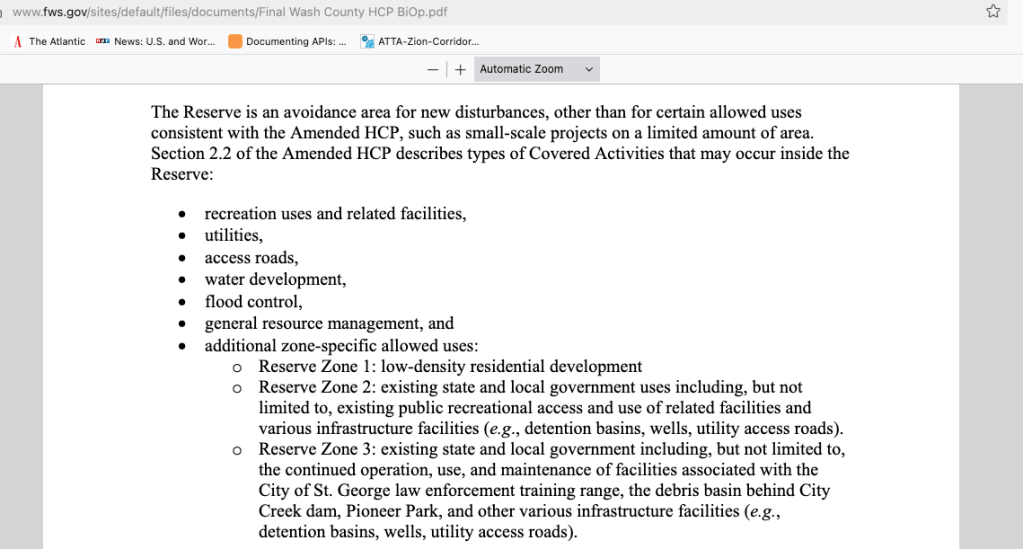
- Habitat Conservation Plan for Washington County
- Amended Washington County Habitat Conservation Plan
- Biological Opinion for the Amended Washington County Habitat Conservation Plan
- Southern Utah Wilderness Alliance press release on Northern Corridor rejection
- BLM press release on Northern Corridor rejection
- Northern Corridor cost memo
- Northern Corridor traffic analysis
- Conserve Southwest Utah Northern Corridor information hub
- Center for Biological Diversity on how the current administration’s attack on Public Lands threatens wildlife, water, climate
- St George News on how rolling back the Public Lands Rule could be detrimental to Utah’s protected lands
- What is the National Environmental Policy Act (NEPA)?
- Nature Conservancy facts about the Mojave Desert Tortoise
Mojave desert tortoises are a keystone species, which means they have a higher influence over their ecosystem than other species. Many other species use their burrows and benefit from having desert tortoises around, including the Gila monster, collared peccaries, roadrunners, and burrowing owls.
Additional Resources on media literacy:
While it seems to make sense that county promoted media should be trusted: state and county officials are just as susceptible to bias as other sources. Diversify where you read about the Northern Corridor (which means, yes, also reading beyond sources like CSU), and consider what biases each source might have, what goal, what benefit.
In this vein, make note of the how Utah and Washington County officials specifically have or have not prioritized conservation and public lands – and how that might affect or influence their priorities with the Northern Corridor. Note that any social media content posted by official Red Cliffs Desert Reserve accounts are also county run.
 Annika Bee